READY FOR NATO

This section provides an overview of Eurocorps' exercises and alert periods for the North Atlantic Treaty Organization (NATO).

A FORCE FOR NORTH ATLANTIC TREATY ORGANIZATION

THE BEGINNINGS OF DUALITY

Eurocorps operates in coordination with both the NATO command structure and European Union command and control (C2) entities. While closely integrated with both organizations, it retains institutional autonomy and can be placed at the disposal of either NATO or the EU. This dual availability is subject to unanimous approval by the Framework Nations, acting through the Common Committee, Eurocorps’ senior steering body. Since its establishment, formal agreements have enabled Eurocorps to support both NATO and EU-led missions. The SACEUR Agreement, signed on 21 January 1993, provides the legal and operational basis for placing Eurocorps under NATO command when required. It also regulates peacetime cooperation, including information sharing and joint training activities. In 2002, the agreement was amended in connection with Eurocorps’ certification as a NATO High Readiness Force (HRF – Rapid Reaction Corps), further strengthening its role within the Alliance’s rapid response architecture.

FULL-SPECTRUM CAPABILITIES

SFOR

SFOR 1998 - 2000
NATO STABILIZATION FORCE

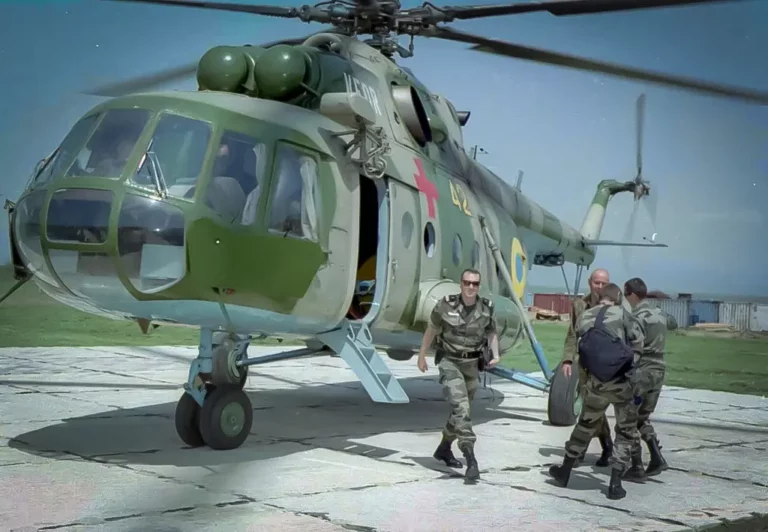
Eurocorps undertook its first operational commitment in support of a NATO mission in 1998, when personnel from the Headquarters Staff and the Headquarters Support Battalion deployed to Sarajevo. On 27 February 1998, the Eurocorps Common Committee decided to place a contingent of 150 personnel at the disposal of the NATO Stabilization Force in Bosnia-Herzegovina (SFOR) for a period of 18 months, organized into three successive rotations. The first contingent arrived on 13 May 1998, followed by the second rotation from January to June 1999 and the third from July to December 1999. Beyond the increased public and media visibility, this deployment provided Eurocorps Headquarters and its personnel with essential NATO operational experience and laid the groundwork for future engagements.

KFOR III - 2000
NATO KOSOVO FORCE

On 28 January 2000, the North Atlantic Council accepted a proposal issued by the five Eurocorps Framework Nations. The resulting deployment constituted not only the first major commitment for Eurocorps, but also the first time a European military headquarters commanded a NATO-led force. The mission focused on initiating the reconstruction phase in Kosovo and restoring basic civic structures. The challenges were significant. The Kosovo Liberation Army (UCK) had to be demilitarized and transformed, violence and organized crime persisted, and judicial structures and legislation were absent. A multi-ethnic police service had to be created, public health conditions addressed, and medical facilities rebuilt. Local governance structures had collapsed alongside former Yugoslav authorities, and democratic elections were required to establish legitimate municipal institutions. The Commanding General Eurocorps and Commander KFOR in this six month period was Lieutenant General Juan Ortuño (Spain).

RELATED EXERCISE

November 2001

COBRA 2001

Nearly two years earlier, in 2000, Eurocorps had successfully completed its mission in Kosovo. In the aftermath, its structures and procedures were adapted to support its evolution into a Rapid Reaction Corps, with Exercise COBRA serving as a mid‑phase assessment of this transformation.

KEY EXERCISE

September 2002

COMMON EFFORT - High Readiness Force

The capstone event of the entire certification process was exercise COMMON EFFORT 2002. Under the eyes of the Deployable Headquarters Task Force as well as NATO’s and national top brass, Headquarters Eurocorps successfully demonstrated the requirements established by Supreme Allied Commander Europe (SACEUR) as well as the capabilities needed to rapidly deploy into an austere environment wherever decided and to seamlessly assume and exercise the command and control of a force of up to 60,000 soldiers in the most challenging operational missions.
The process of High Readiness Force certification and the newly gained capabilities were complemented by some other important activities in 2002: a multinational combined joint live firing exercise THOR in Spain, the shift to English as the daily operational and working language, as well as the renewed SACEUR arrangement.

This leads to
CERTIFICATION
High Readiness Force

ISAF VI

ISAF VI - 2004
International Security Assistance Force

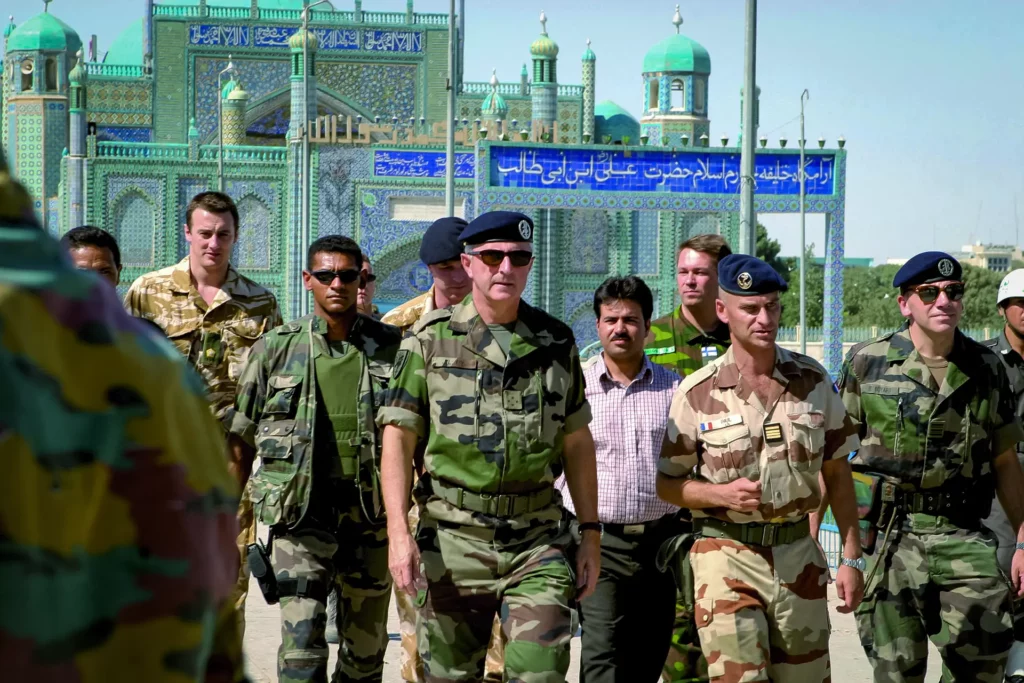
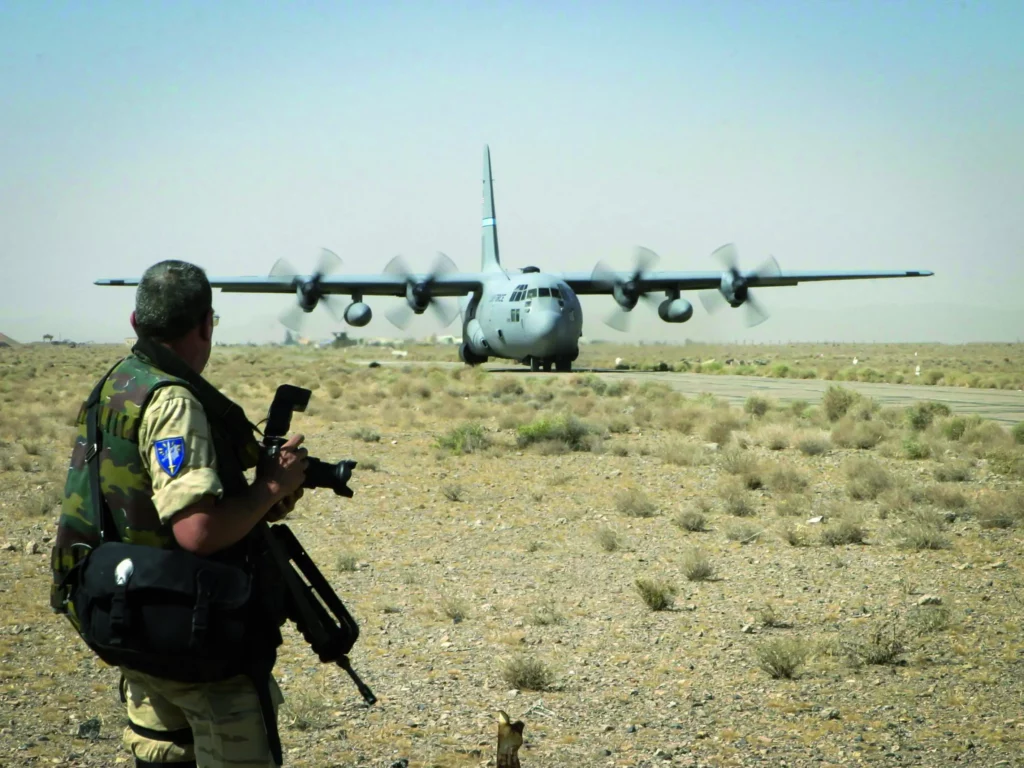
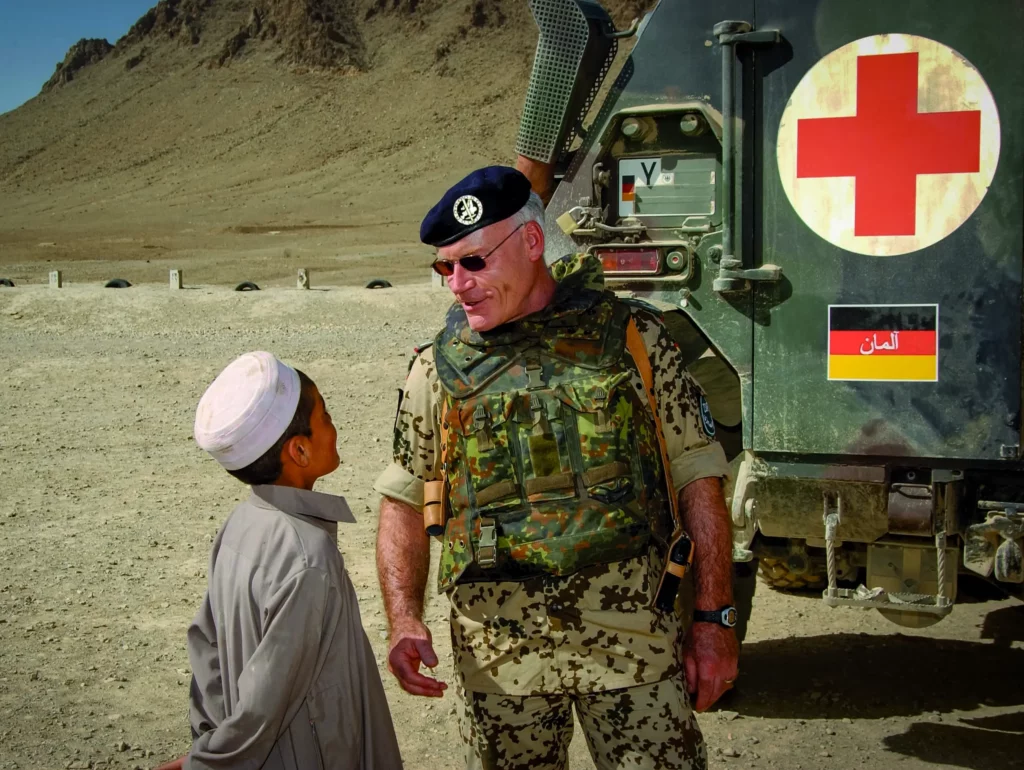
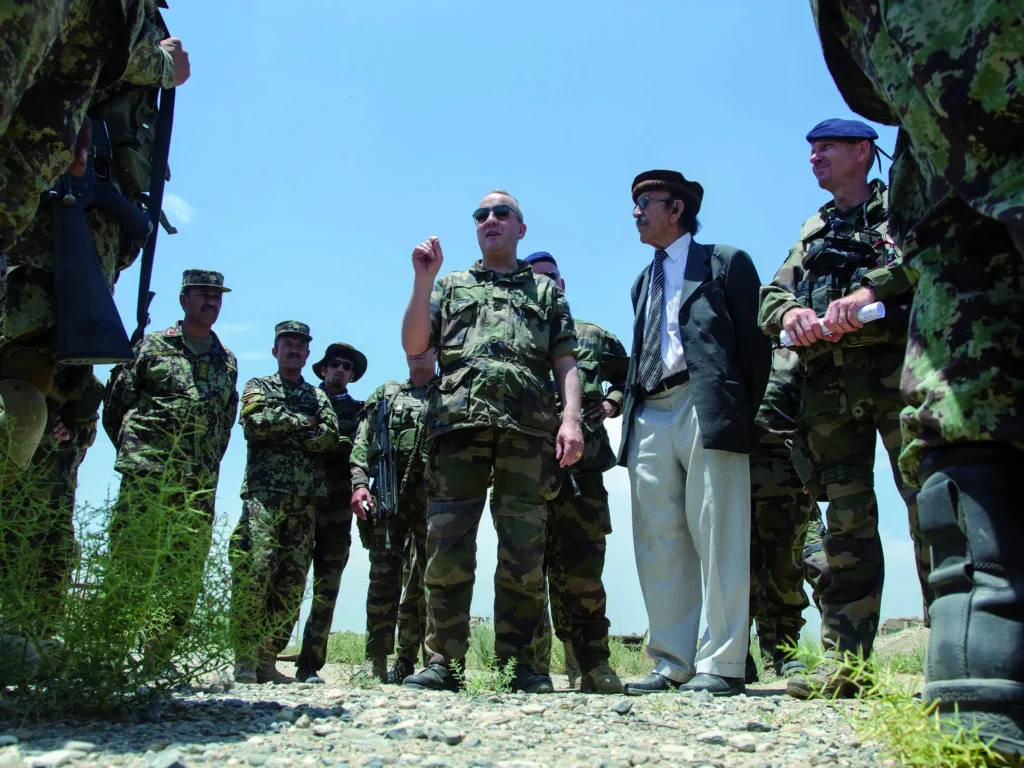
From 9 August 2004 to 9 February 2005, Eurocorps participated in the sixth rotation of the International Security Assistance Force (ISAF VI) in Afghanistan, deploying elements from both its headquarters staff and the French-German Brigade. Eurocorps provided over half of the personnel assigned to ISAF Headquarters during this period. The transfer of command from General Hillier (Canada) to General Py (France), then Commanding General of Eurocorps, took place on 9 August in Kabul. At the outset of the ISAF VI mission, the primary focus was to support the Afghan authorities and the United Nations in preparing for and conducting the presidential elections held on 9 October 2004. A secondary but critical task was to ensure that the inauguration of President Karzai unfolded smoothly, following his electoral victory.

NRF 7

NRF 7 - 2006
NATO RESPONSE FORCE

The preparations for NATO Response Force rotation 7 (NRF 7) highlighted the critical need for interoperability among participating forces. Although numerous interoperability challenges had to be addressed, the deployment confirmed the ability of the Franco-German Brigade, designated as the NRF Brigade, to successfully integrate additional multinational units. Many of these units were contributed by Eurocorps Framework Nations, which naturally facilitated cohesion. However, the experience also underscored a key operational lesson: that the frequent rotation of contributing partners and reliance on ad hoc or composite structures consistently require dedicated collective training cycles. By building on stable and established formations, such as Eurocorps Headquarters, the Franco-German Brigade, and affiliated units, the force was able to maintain a more sustainable, effective, and cost-efficient readiness model within the NATO Response Force framework.

RELATED EXERCISE

June 2006

STEADFAST JAGUAR 06

This exercise, conducted in the Cape Verde Islands, marked a significant milestone for Eurocorps in its preparation for NRF 7 and its role as Land Component Command (LCC). Eurocorps successfully demonstrated its operational deployment capability by transporting personnel and equipment over approximately 4,700 km to the island of São Vicente. In addition to meeting the operational demands of the exercise, cooperation with local authorities and building trust with the local population were essential, as in a real-world operation. LCC personnel also supported the removal of obsolete and surplus ammunition and contributed to the repair of both civilian and military infrastructure.

WHAT IS NRF ?

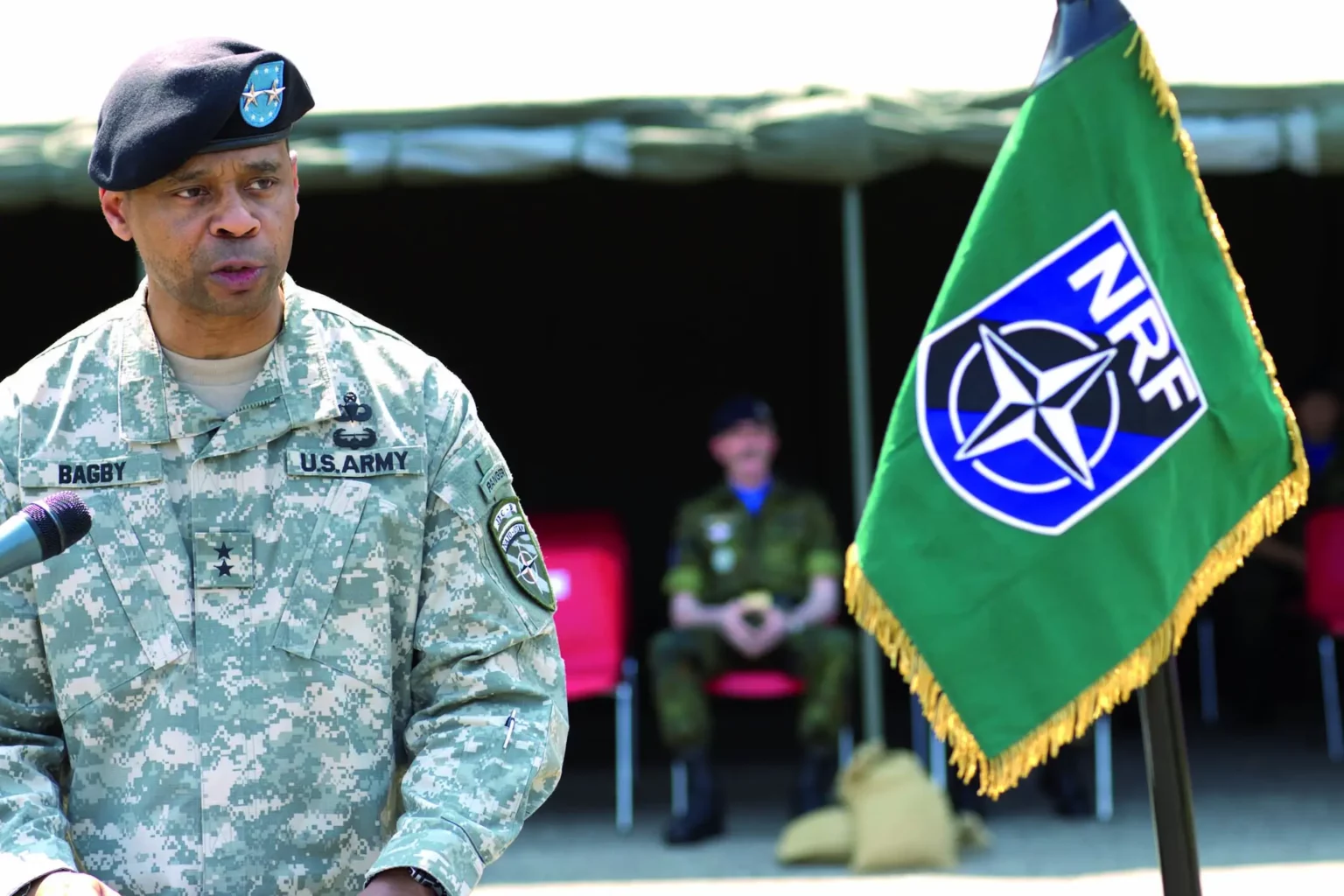
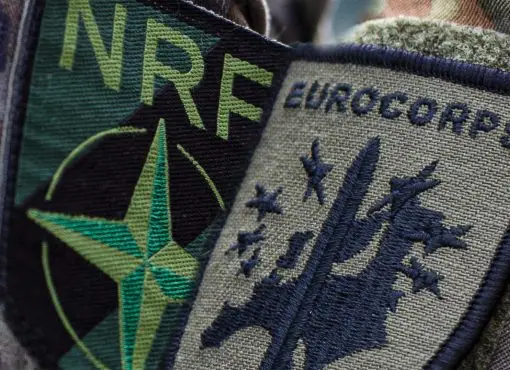
Launched in 2002, the NATO Response Force (NRF) is a highly ready and technologically advanced multinational force composed of land, air, maritime, and Special Operations Forces (SOF). It is designed for rapid deployment and quick reaction to a wide range of security challenges, from crisis management to collective defence. The NRF operates on a rotational system, with Allied nations committing forces for twelve-month periods. In 2014, NATO Allies decided to strengthen the NRF by creating a “spearhead force” within it, known as the Very High Readiness Joint Task Force (VJTF).

This enhanced NRF, comprising approximately 40,000 troops, is one of the key measures of NATO’s Readiness Action Plan, which aims to address evolving security threats and reinforce the Alliance’s collective defence. Operational command of the NRF belongs to the Supreme Allied Commander Europe (SACEUR). The decision to deploy the NRF is taken by the North Atlantic Council, NATO’s highest political authority. Beyond its operational function, the NRF also promotes cooperation in training and education, facilitates more frequent joint exercises, and supports the development and integration of emerging technologies.

NRF 15 - 2010
NATO RESPONSE FORCE

For the second time in its history, Eurocorps provided the Land Component Command for this major crisis response force, this time under significantly different conditions. Before assuming this demanding role, Eurocorps personnel underwent a comprehensive preparation phase. The process tested their readiness and validated the high standards to which the corps consistently holds itself. The mission was successfully completed. Eurocorps was certified as “excellent,” confirming its status as a capable, learning, and adaptive military organization.

RELATED EXERCISE

March 2010

BRILLIANT LEDGER 10

Eurocorps’ certification exercise as the Land Component Command for NRF 15 marked a major milestone in its operational readiness. During the Combat Readiness Evaluation (CREVAL), conducted by NATO Force Command Heidelberg, Eurocorps was assessed against approximately 1,200 performance criteria. The evaluation confirmed Eurocorps’ ability to assume its NATO assignment. A total of 1,300 soldiers and civilians from 17 nations trained together, demonstrating multinational cohesion and capability. This was only the first step; just one month later, Eurocorps returned for the final phase of the exercise.

May 2010

STEADFAST JUNCTURE 10

The certification was part of a broader series of exercises coordinated by NATO’s Allied Command Operations. The objective was to prepare Eurocorps headquarters to operate at the joint level for NRF 15. While other NATO components were activated in parallel at different locations, the exercise provided a critical opportunity to assess Eurocorps’ capacity as Land Component Command to coordinate effectively with maritime and air forces. The final outcome was the full certification of combat readiness across the entire NRF 15 force package.

NRF 15

ISAF VI

ISAF VI - 2012
International Security Assistance Force

Following intensive preparation for the ISAF mission, the first wave of Eurocorps personnel deployed to Kabul on 10 January 2012. This group, which included key personnel, departed from Ramstein Air Base to assume important positions within the International Joint Command (IJC). Well-prepared and operationally focused, Eurocorps personnel quickly adapted to their roles and earned widespread respect for their professionalism. Throughout the mission, they fully embodied the IJC motto, “make it matter.” Lieutenant General Olivier de Bavinchove, Commanding General of Eurocorps and Chief of Staff ISAF, did indeed strengthen the esprit de corps within the headquarters. Over the course of two six-month rotations, approximately 300 Eurocorps service members served in Afghanistan throughout 2012.

NRF 20

NRF - 2020
NATO RESPONSE FORCE

NRF 20 stand by phase for twelve months to lead the land forces of the NATO Response Force in a crisis situation.

RELATED EXERCISE

December 2018

COMMON TENACITY 2018

For Eurocorps, Exercise COMMON TENACITY 2018 marked a turning point. Preparation for the upcoming NATO mission began in early 2018, while at the same time, the last Eurocorps personnel deployed under the European Union Training Mission in Central Africa returned home. This return marked the conclusion of nearly three years of sustained commitment to the European Union, beginning in 2015 with the assumption of command responsibility in Mali and continuing through three rotations in the Central African Republic. With this chapter closed, Eurocorps turned its focus once again toward NATO.

Learn more

JTF HQ 2024

JTF HQ - 2024
Joint Task Force Headquarters

NATO relies on the NATO Force Structure (NFS) to deliver the Alliance’s fully deployable joint command and control capabilities. As part of this structure, Eurocorps must be prepared to assume its role as a Joint Task Force Headquarters (JTF HQ). The operational scope for an NFS JTF HQ encompasses a wide range of missions, primarily focused on Non-Article 5 Crisis Response Operations. These include, but are not limited to: peace support operations, countering irregular activities, support to civil authorities, search and rescue, non-combatant evacuation operations, enforcement of sanctions and embargoes, freedom of navigation and overflight operations, disaster relief, and humanitarian assistance.

RELATED EXERCISE

October - November 2022

Common Tenacity 2022

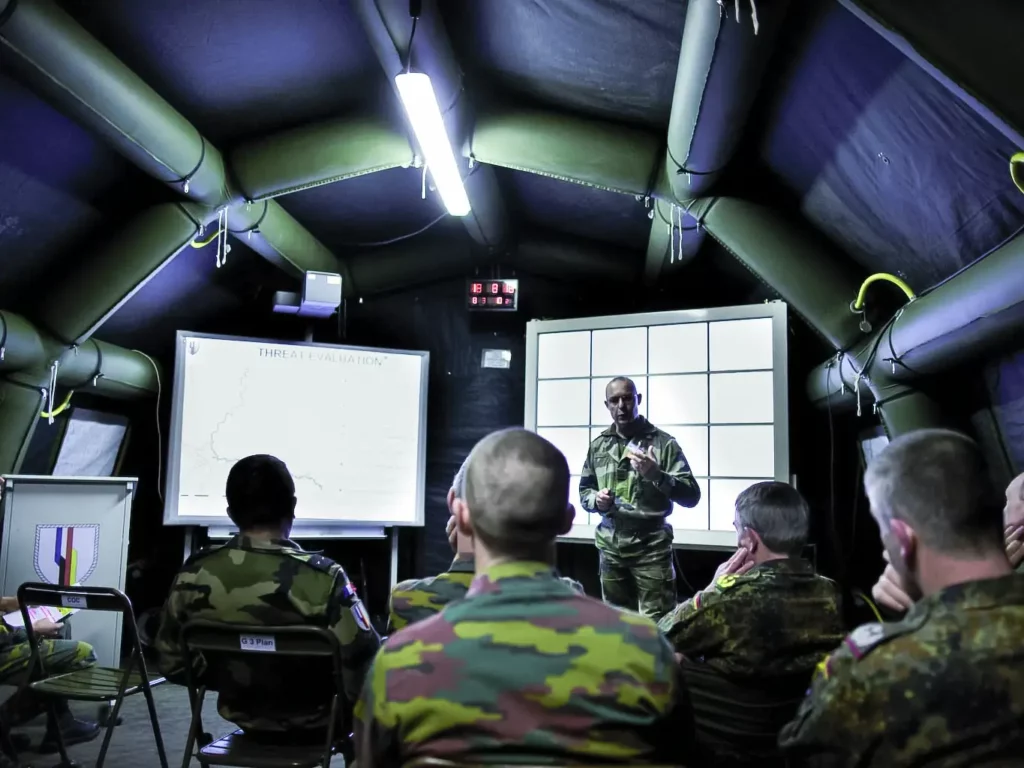
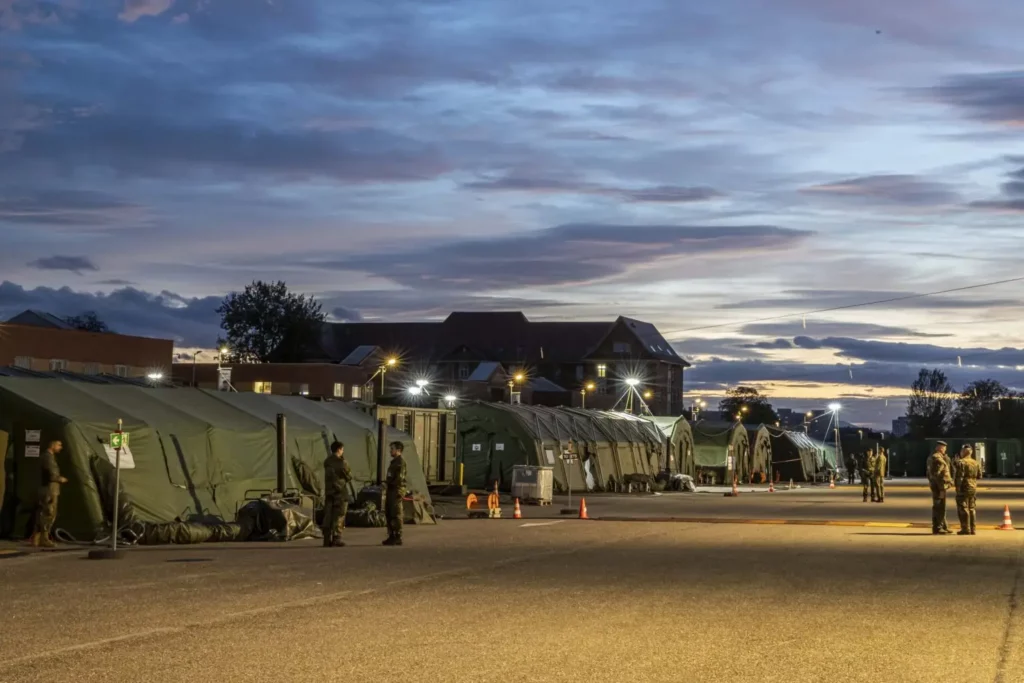
To simulate a fully deployed headquarters environment, more than 100 kilometers of cable were laid, 1,000 workstations were installed, and 460 telephones were activated. A total of 834 military and civilian personnel from 18 nations participated in the exercise, which featured a fictitious but highly realistic scenario. The focus was on training multinational headquarters staff to operate in a joint environment, with participation from land, maritime, air, and special operations components.

Learn more

November - December 2023

Steadfast Jackal 23

From 28 November to 7 December 2023, Eurocorps had the opportunity to test its ability to plan and conduct non-Article 5, land-heavy joint operations. With a focus on counter-insurgency, counter-terrorism, and regional stability, STEADFAST JACKAL 2023 (STJA23) was conducted using a fictitious 360-degree strategic scenario developed by NATO’s Joint Warfare Centre.

Learn more