Home About us Organisation

ORGANIsATION

This section provides an overview of Eurocorps’ structure and introduces key personnel.

COMMANDER’S Biography

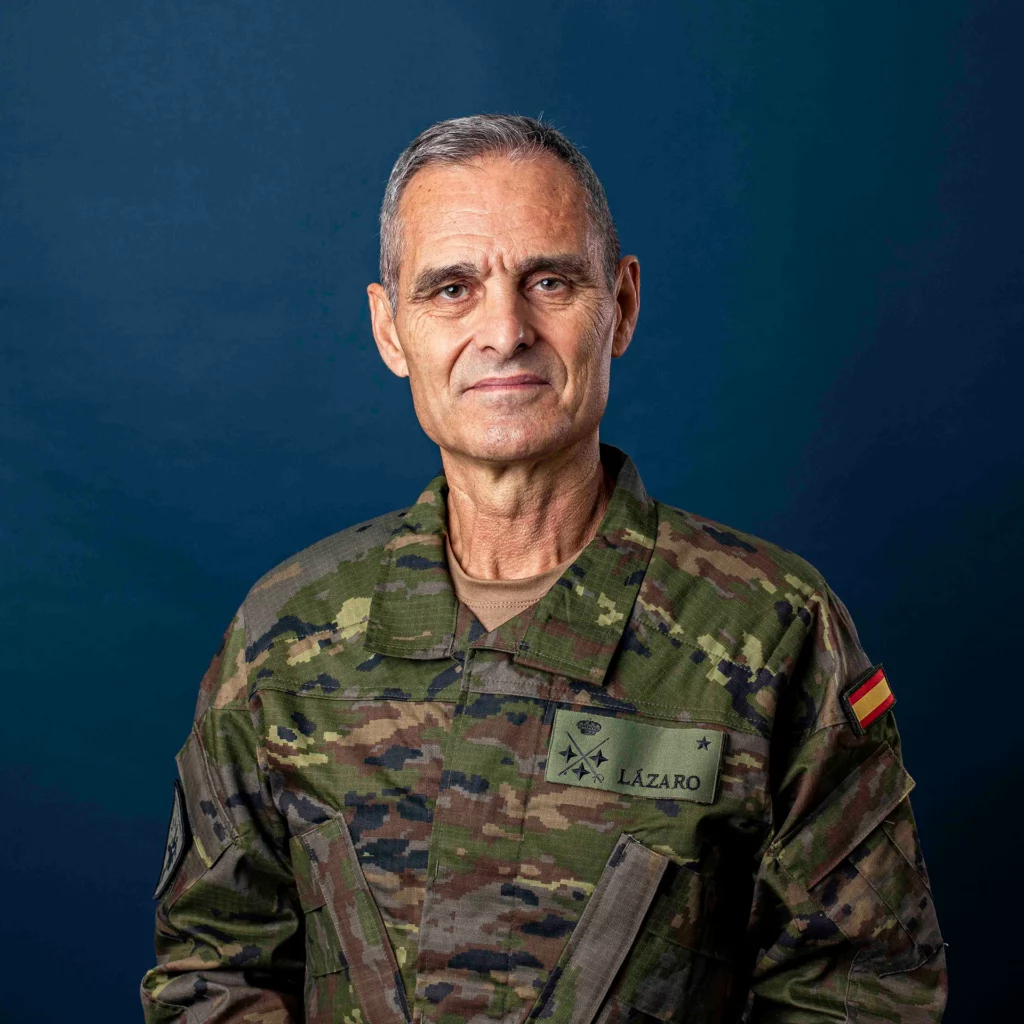
Aroldo Lázaro Sáenz

On June 7, 2025, he was appointed Commanding General of Eurocorps in Strasbourg. His assignment started on September 18, 2025.

Lieutenant General Aroldo Lázaro Sáenz has experience in several International Peacekeeping Operations, including in Bosnia and Herzegovina (BiH) with UNPROFOR in 1993, SFOR in 1996, and EUFOR Operation ALTHEA in 2006. In UNIFIL, he served as Sector East Chief of Staff (COS) in 2012, Sector East Liaison Officer (LNO) at HQ Naqoura in 2013, Sector East Commander in 2016/17 and, finally, as Force Commander and Head of Mission from February 2022 to June 2025.

Read full biography

COMEC

Commanding General of Eurocorps

Lieutenant General OF - 8

KEY PERSONNEL

LEADERSHIP STAFF

COMMAND GROUP

The Commanding General of Eurocorps (COMEC) holds the rank of Lieutenant General (NATO three-star). The Deputy Commander (DCOM) is a Major General (NATO two-star). The headquarters staff is led by the Chief of Staff (COS), also a Major General (NATO two-star), supported by three Deputy Chiefs of Staff (DCOS) for Operations, Support, and Plans, each holding the rank of Brigadier General (NATO one-star).

These generals form the Command Group. The Command Group and MNCS-Brigade Commander meet several times a week under the lead of COMEC to orient the work of the Headquarters and deliver decisions and guidance. The Commanding General is supported by advisors: the Legal Advisor (LEGAD), Political Advisor (POLAD), Public Affairs Advisor (PAA), Medical Advisor (MEDAD), Gender Advisor (GENAD), as well as the Air Representation (AREC) and Navy Representation (NAVREP).

Together, the Command Group, advisors, and Headquarters Staff form Eurocorps Headquarters, whose core mission is to plan and conduct operations ranging from humanitarian assistance and crisis response to the collective defense of member nations and the Alliance. On operations, the COMEC commands major subordinate units and directs land operations, supported by air, maritime, and Special Forces. Eurocorps Headquarters is enabled by a Multinational Command and Support Brigade (MNCS Bde).

Headquarters Staff

Multinational Representation

SENIOR NATIONAL REPRESENTATIVES

Within NATO structures and European Union Common Security and Defence Policy missions and operations, each contributing nation designates a senior military officer to represent its personnel within a headquarters or on deployment. This officer ensures that national responsibilities, policies, and obligations are upheld while maintaining close coordination with the multinational chain of command.

In both NATO and EU frameworks, this function plays an essential role in balancing multinational cooperation with national responsibility, thereby contributing to unity of effort and operational effectiveness.

FRAMEWORK NATIONS SNR

Major General Wim DENOLF

Senior National Representative of Belgium
Biography

Major General Zenon BRZUSZKO

Senior National Representative of Poland
Biography

Brigadier General Vincent TASSEL

Senior National Representative of France
Biography

Brigadier General Henning WEEKE

Senior National Representative of Germany
Biography

Brigadier General Carlos CASTRILLO

Senior National Representative of Spain
Biography

Lieutenant-colonel Michel USELDINGER

Senior National Representative of Luxembourg
Biography

ASSOCIATED NATIONS SNR

Lieutenant-colonel Albin RENTENBERGER

Senior National Representative of Austria

Colonel Nikolaos VERANIS

Senior National Representative of Greece

Lieutenant-colonel Roberto CONFLITTI

Senior National Representative of Italy

Major Albert-Daniel VIDINARU

Senior National Representative of Romania

Major Ahmet KAPUCU

Senior National Representative of Türkiye
A UNIQUE FORCE

MULTINATIONAL AT EVERY LEVEL

ROTATION PLAN

In Eurocorps key personnel rotates regularly. This system fosters multinational representation, ensuring that each nation involved has the opportunity to contribute to decision-making and leadership. The rotation helps promote fairness and inclusivity, allowing all member nations to have a stake in the organization’s direction, while encouraging collaboration and diverse perspectives from all nations.

COMEC ROTATION PLAN

BELGIUM

2021

POLAND

2023

SPAIN

2025

GERMANY

2028

FRANCE

2031

INTERCULTURAL COOPERATION

MULTINATIONAL DECISION-MAKING

COMMON COMMITTEE

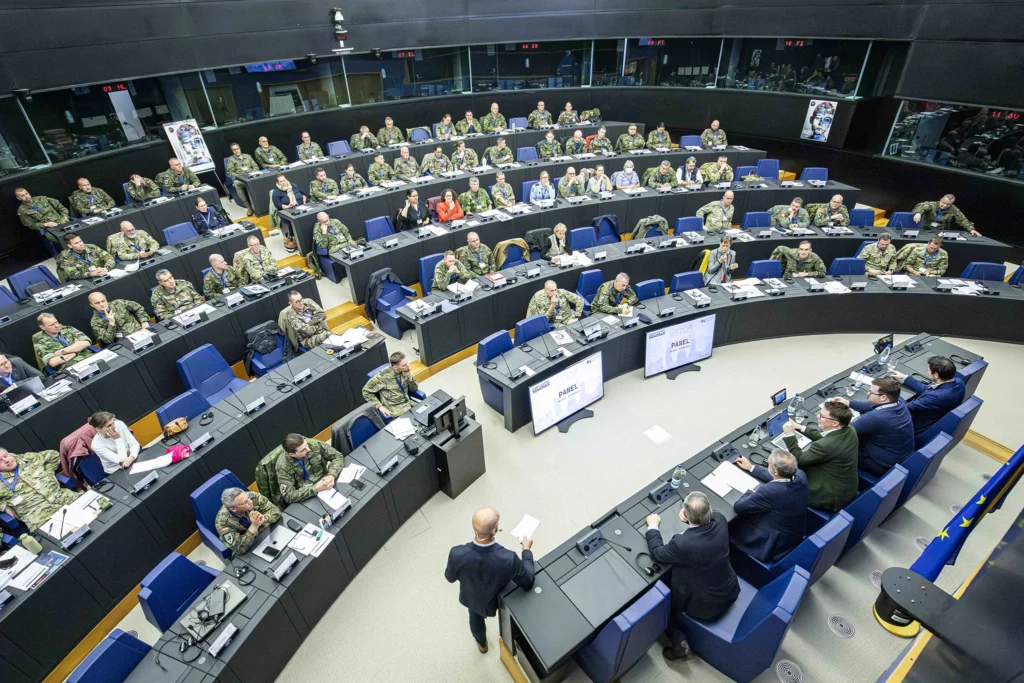
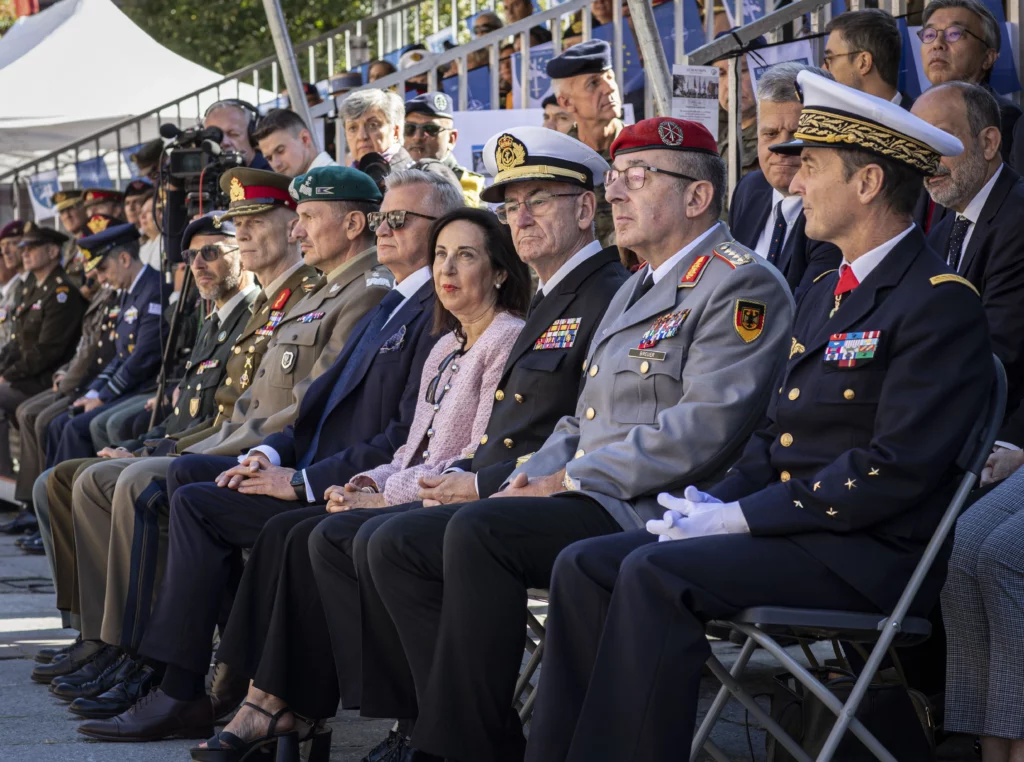
The Common Committee, composed of the chiefs of defence and the political directors of the respective ministries of Foreign Affairs, is the senior decision and command body for the Eurocorps. The decision to commit Eurocorps for whatever mission will always remain an exclusive responsibility of its framework nations.

Chairman and Expert Representation from All Eurocorps Nations

Shared Decision-Making

FOUNDATIONS OF EUROCORPS

STRENGTHENING RECONCILIATION

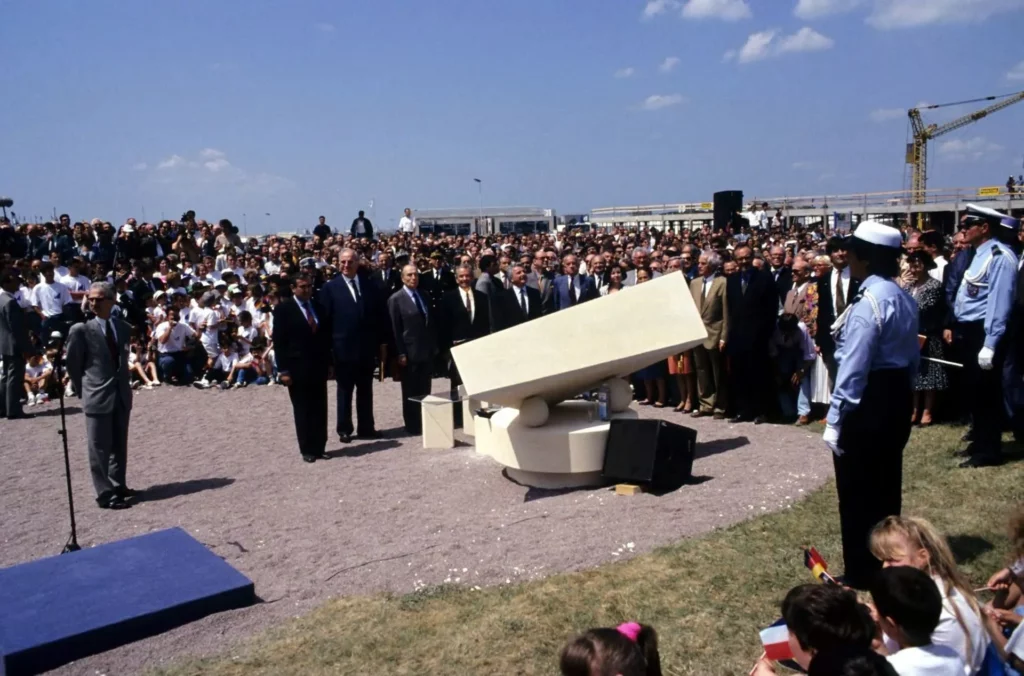
La Rochelle summit

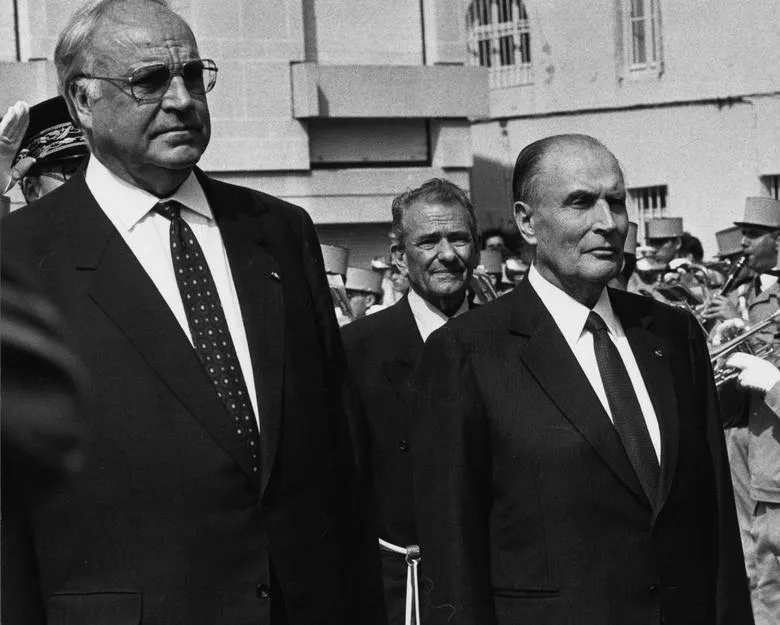
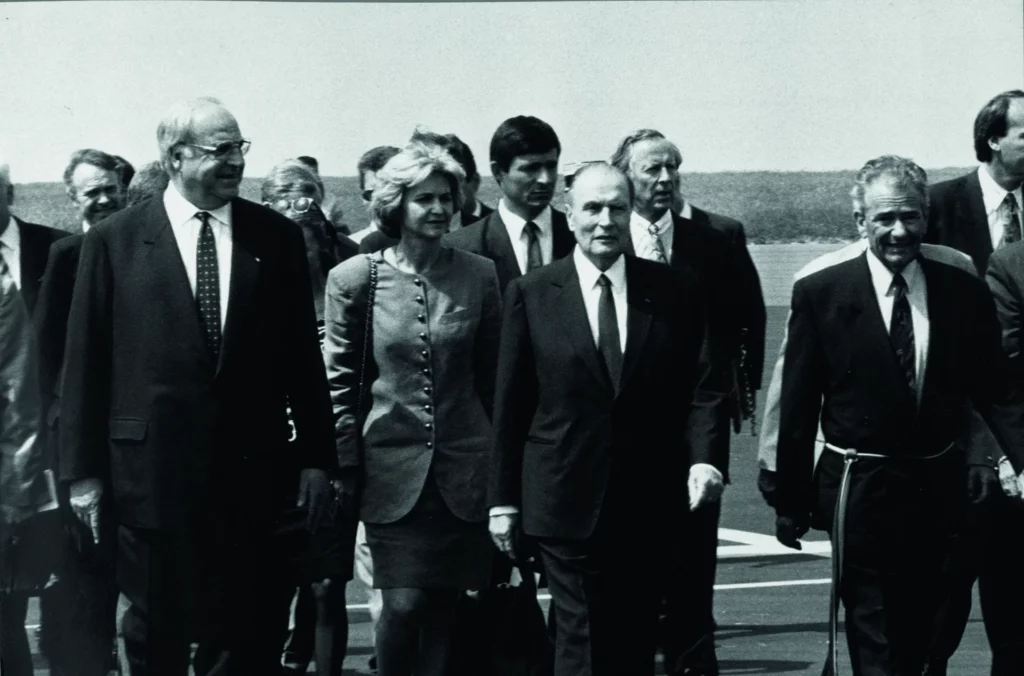
In October 1991 the former French president, Francois Mitterand and the former German Chancelor Helmut Kohl agreed to strengthen the reconciliation between their two countries and to foster the idea of the common european defence.

A few months later, in May 1992, both countries set up a Franco-German Corps in Strasbourg – a unit which financing and commanding would be equally shared amongst the two countries. The ideas laid down in the La Rochelle declaration, which is considered as the founding act of Eurocorps. A couple of weeks later both countries agreed to open Eurocorps to members of the western european Union. 1993 Belgium, 1994 Spain, 1996 Luxembourg and 2021 Poland joined Eurocorps as Framework Nations (FN).

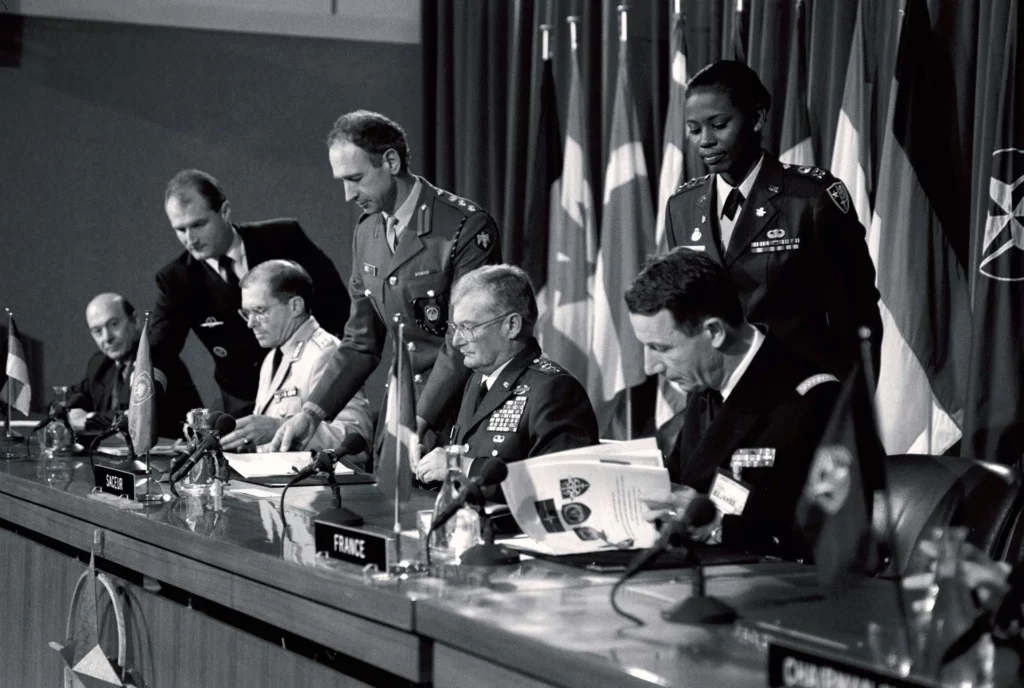
The La Rochelle summit already included the conditions of a partnership with NATO, which was implemented shortly after through the SACEUR‘s agreement in Jan 1993.

1992

Signed in La Rochelle

Foundations of Duality

© Sud-Ouest

UNIQUE LEGAL STATUS

EMBODYING THE WILL OF THE FRAMEWORK NATIONS

TREATY OF STRASBOURG

On November 22, 2004, the Treaty on the European Corps and the Status of its Headquarters was signed in Brussels. This agreement, concluded twelve years after Eurocorps was established, marked a decisive step in formalizing the collective commitment of the five Framework Nations at the time—Belgium, France, Germany, Luxembourg, and Spain. It provided Eurocorps with a clear and legally recognized foundation, reinforcing its status as a permanent multinational structure. Poland later joined as the sixth Framework Nation on December 20, 2021. With the treaty in force, Eurocorps acquired a unique legal identity, classified as a sui generis entity—a designation reserved for organizations with a distinctive nature and purpose under international law.

2004

Signed in Brussels

2009

Entered into Force