GENDER MATTERS

23 October 2026

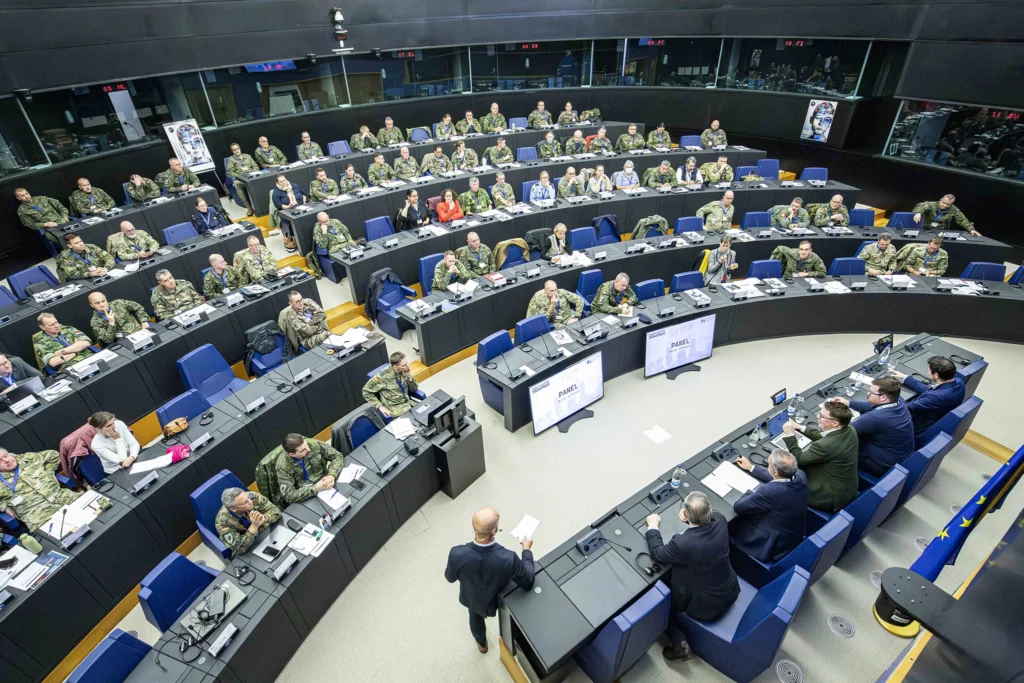
Gender perspectives are essential to better understand conflict, protecting civilians, improving military effectiveness and building sustainable peace. It is not only a matter of fairness and not at all a result of political correctness or ideology. The following web story explains why the EUROCORPS Human Security Seminar —which will be held from 16 to 18 November at the European Parliament headquarters in Strasbourg— and NATO’s commitment to the Women, Peace and Security agenda are connected and why integrating gender perspectives into military operations is a strategic necessity.

Security is about people

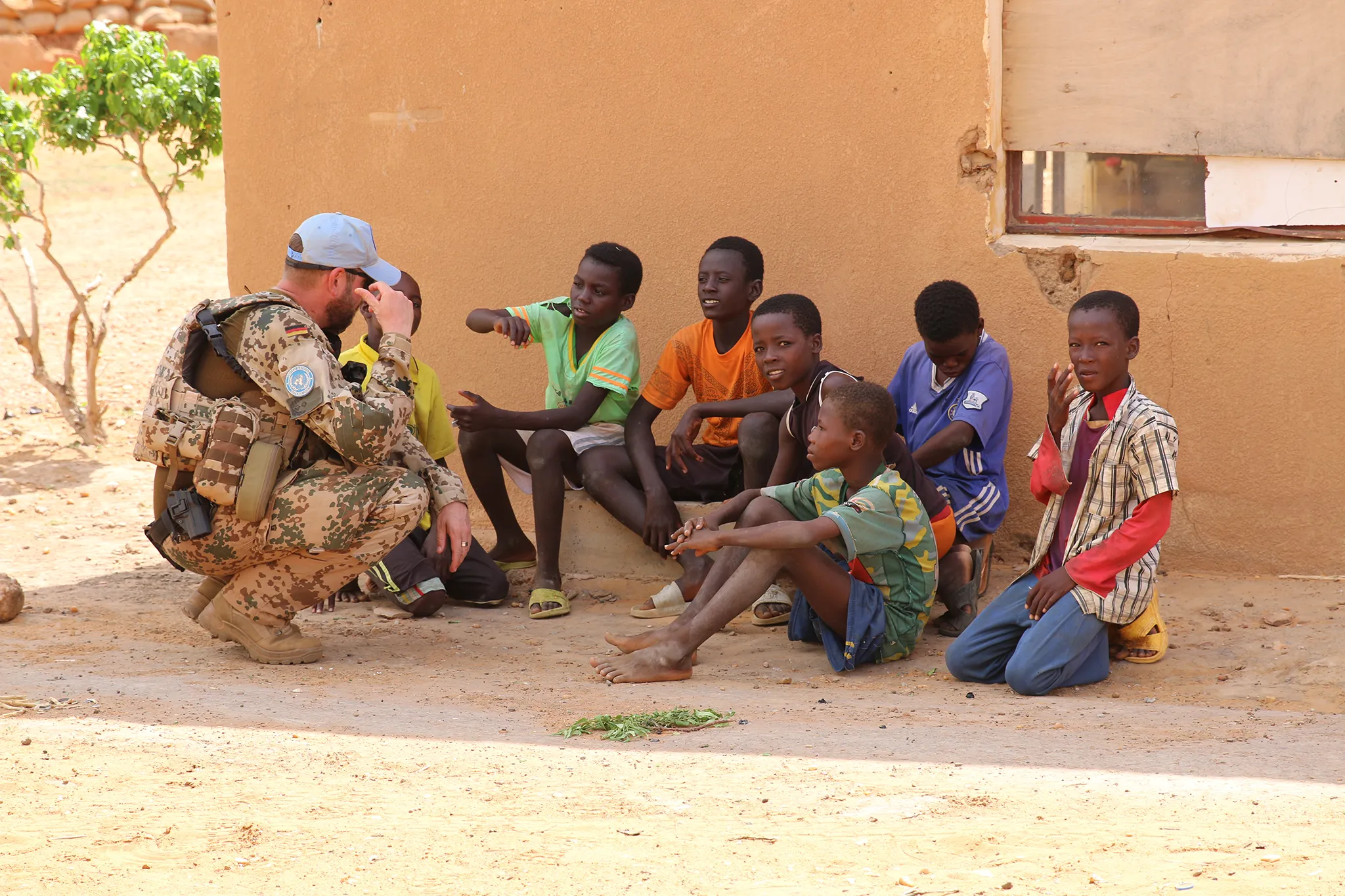
War affects everyone, but not everyone in the same way. Gender, age, disability and social circumstances can shape exposure to violence, access to protection and opportunities to participate in peacebuilding. The security approach must therefore look beyond territory and military capabilities to understand the people affected by conflict.

Women, Peace and Security (WPS) is a strategic priority

NATO’s WPS agenda builds on United Nations Security Council Resolution 1325 and subsequent resolutions. It promotes meaningful participation, protection, prevention and the integration of gender perspectives into defence planning, operations and partnerships.

From strategic principles to operational reality

EUROCORPS is a multinational military headquarters that can support NATO, EU and other mandated operations. Its Human Security Seminar provides a relevant setting for discussing how protection of civilians, gender perspectives and human security considerations can be translated into military planning and decision-making.

Different experiences – better decisions

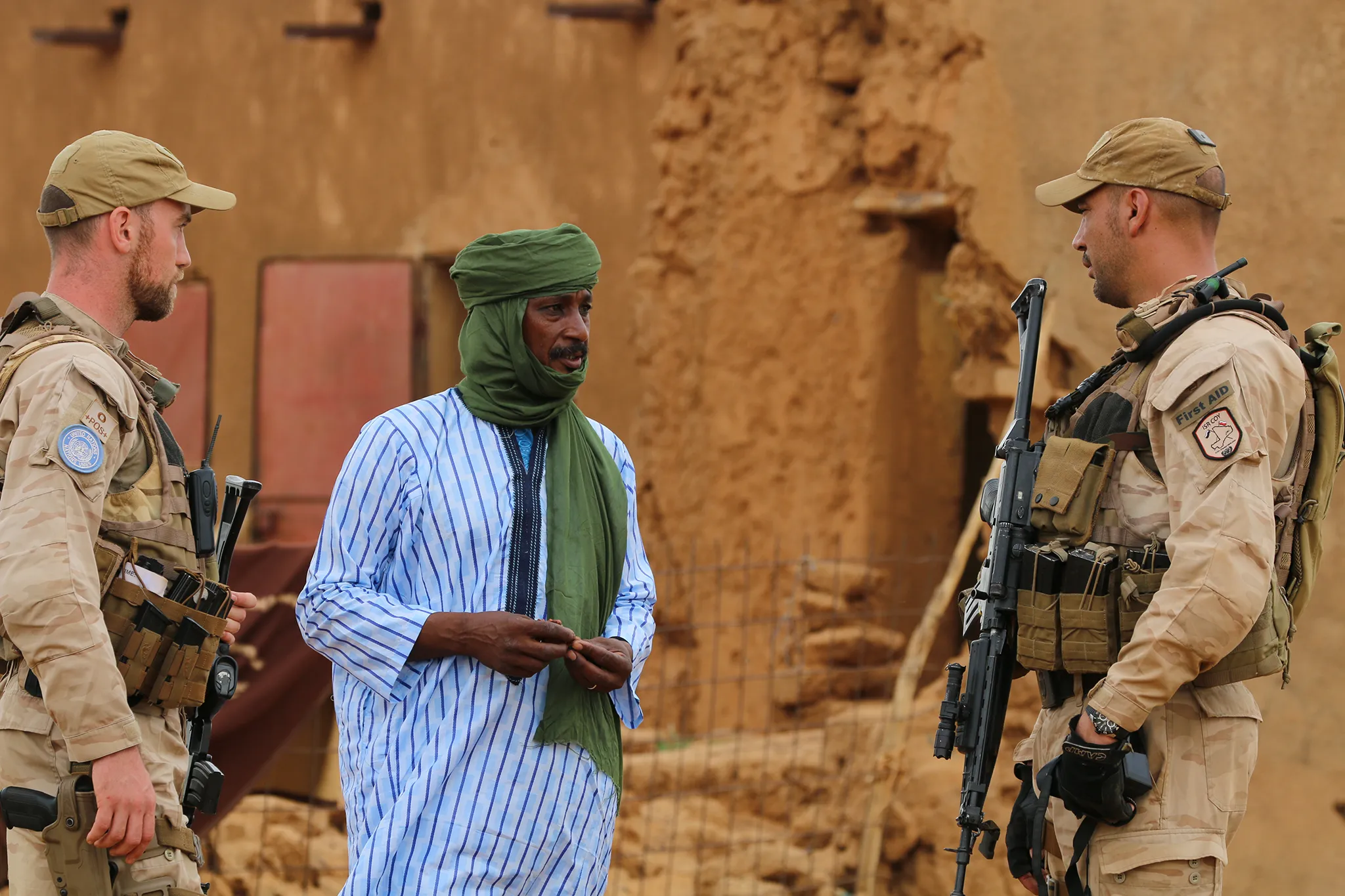
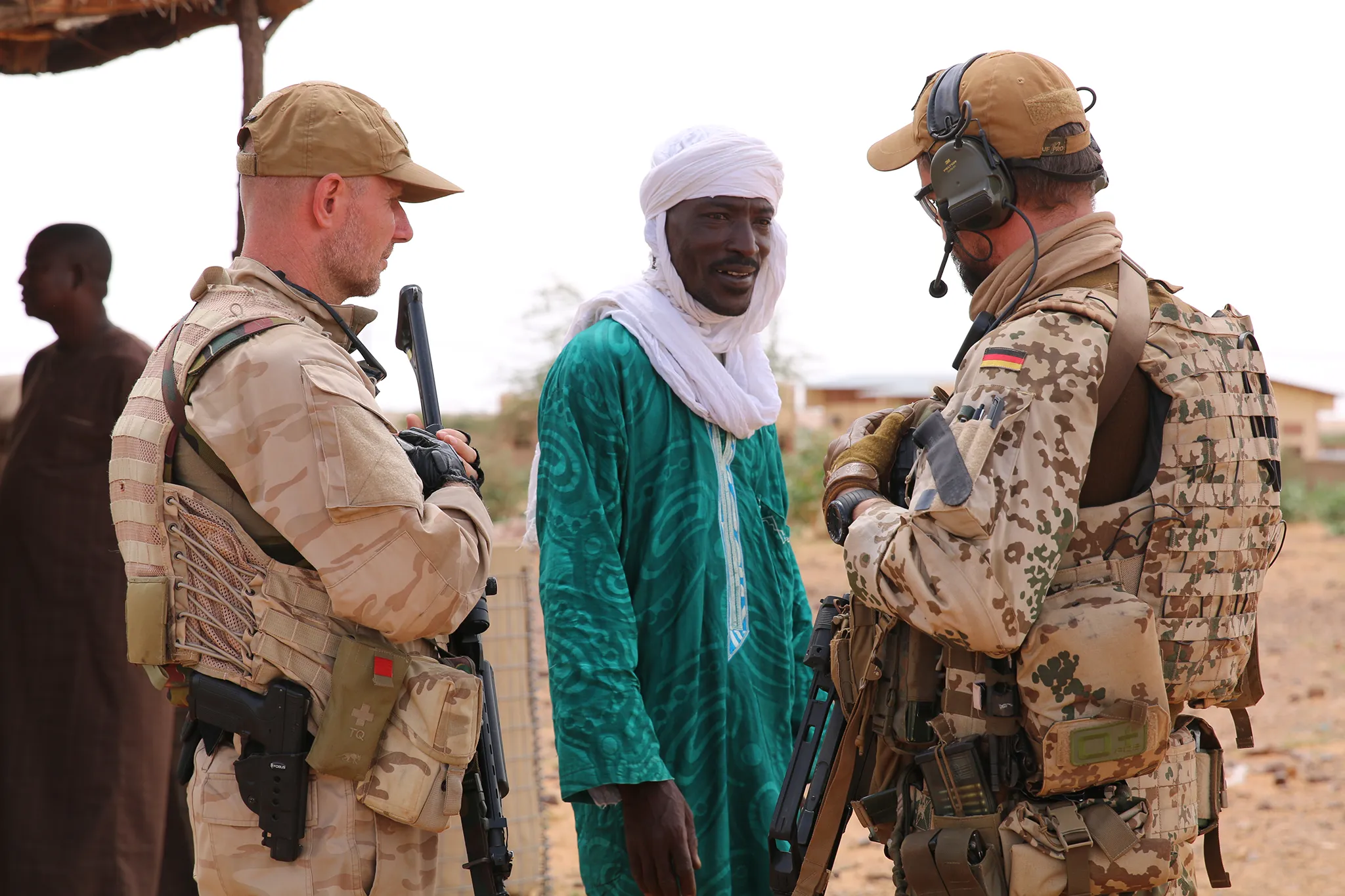
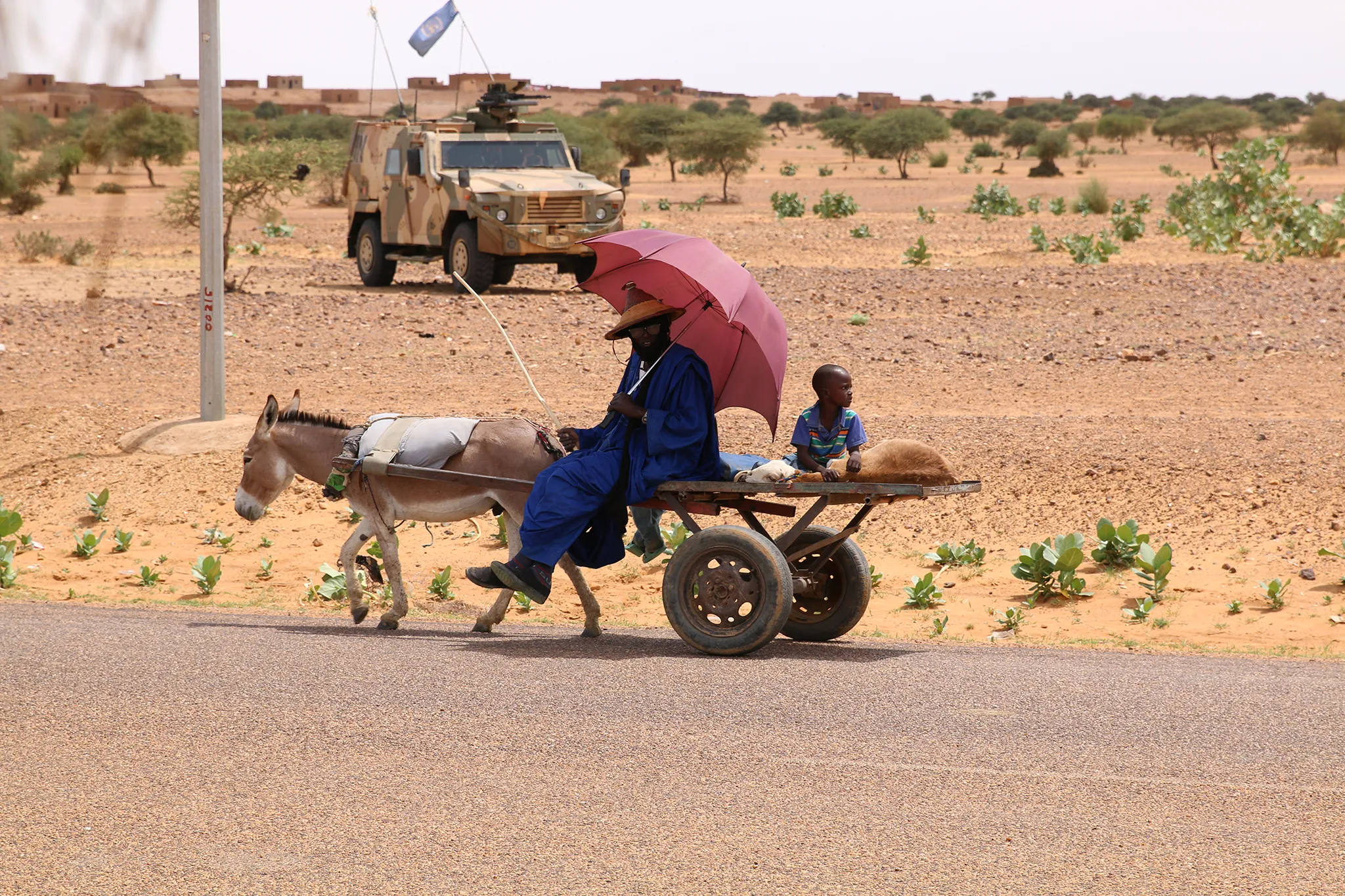
A military operation may affect women, men, girls and boys differently. Understanding these differences improves situational awareness, identifies protection risks, supports engagement with local communities and helps prevent unintended harm. Integrating a gender perspective is therefore an operational capability, not simply an administrative requirement.

Protecting people strengthens missions

Human security places people at the centre of security considerations. For military forces, this includes protection of civilians, conflict-related sexual violence, children and armed conflict, cultural property protection, trafficking in human beings and other risks. Gender perspectives help identify who is vulnerable, why they are vulnerable and what operational measures may reduce harm.

EUROCORPS turns policies into practice

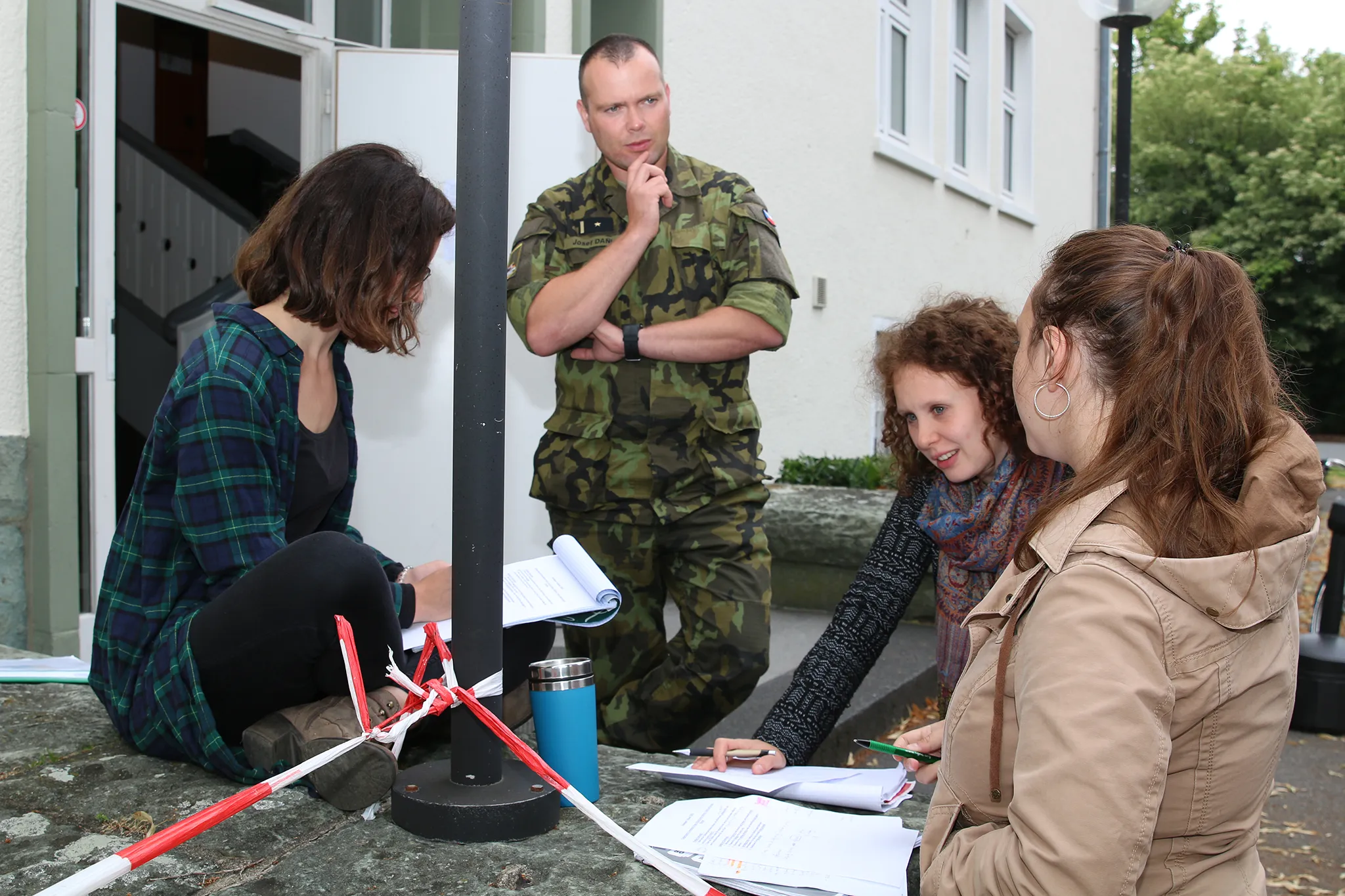
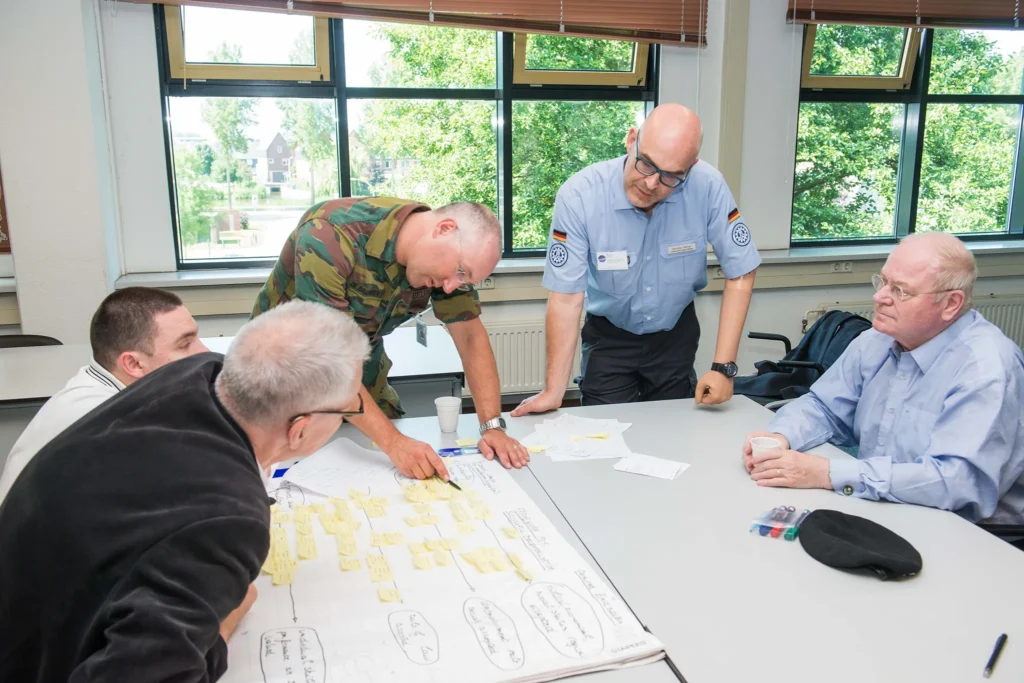
NATO establishes alliance-wide policies, standards and strategic commitments. EUROCORPS, as a deployable multinational headquarters, integrates relevant principles into operational planning, training, exercises and staff processes. The Human Security Seminar supports as civil-military platform to bridge the gap between policy, military understanding and practical implementation.
Early prevention and protection

To protect civilians effectively, the military needs to be ready to act, both on its own and in response to others. It needs to base its actions on a threat-based and people-centric approach. This means the military needs to understand, anticipate and prevent violence, coercion and deliberate deprivation against civilian populations. The gender perspective helps to spot vulnerabilities that might otherwise go unnoticed and not be dealt with.

Human Security Seminar as connecting platform

The question will never be whether to refrain from carrying out a mission in order to safeguard the population’s security. Human Security is fundamental to it. A comprehensive understanding and analysis of threats, vulnerabilities and opportunities is key. Without a gender perspective the picture will always be incomplete. The aim is to find the best possible approach that fulfils the mission whilst providing the highest level of protection for the population and their livelihoods. Eurocorps Human Security Seminar is a platform for other corps, NATO and EU institutions, and civilian actors. Networking is merely a means to an end. What is crucial is mutual learning and a shared vocabulary that military and civilian actors need in order to be able to work together in a crisis. Following the motto: Know each other, before you need each other.